Best Remote Work Books: 10 Picks for Working From Home
The best books about working from home help you solve a specific remote-work problem: staying focused, setting boundaries, communicating asynchronously, leading a distributed team, or finding a better remote role. Start with the book that matches the problem you are trying to fix this month.
If you are new to remote work, start with Remote, Inc. or The New Corner Office. If you manage people, start with Leading from Anywhere or The Holloway Guide to Remote Work. If your real problem is focus, start with Deep Work, Atomic Habits, or The ONE Thing.
Start with the book that matches your remote-work problem
| If you need help with... | Read first | Why it fits |
|---|---|---|
| Learning how to work well from anywhere | Remote, Inc. | Practical advice for autonomy, communication, and sustainable remote performance. |
| Managing a remote team | Leading from Anywhere | Clear guidance for trust, communication, motivation, and team rhythm. |
| Protecting focus at home | Deep Work | A strong framework for distraction-free work. |
| Building better work-from-home routines | Atomic Habits | Practical habit design for daily remote-work behavior. |
| Designing remote-team norms | The Holloway Guide to Remote Work | A broad reference for distributed teams and async collaboration. |
| Understanding the case for remote work | Remote: Office Not Required | Opinionated, memorable, and still useful for outcome-based work. |
| Changing unhelpful work habits | The Power of Habit | Helps you diagnose cues, routines, and rewards. |
| Prioritizing when everything feels urgent | The ONE Thing | A simple filter for high-leverage work. |
| Creating a healthier daily rhythm | The New Corner Office | Short, practical, and easy to apply quickly. |
| Balancing employee and leader needs | How to Thrive in the Virtual Workplace | Covers both individual habits and team systems. |

1. Remote, Inc. by Robert C. Pozen and Alexandra Samuel
Remote, Inc. is the best first remote work book for employees who want to work with more ownership. It treats remote work as a learned operating system, not a perk.
Best for: remote and hybrid employees who need better priorities, boundaries, communication, and manager alignment.
Read it if you want to:
- Plan your day around outcomes instead of availability.
- Communicate progress without overloading your team with meetings.
- Set boundaries between work, home, and recovery.
- Build a healthier relationship with autonomy.
Skip it if you already have strong remote-work systems and mainly need company-wide policy, security, or culture design.
Buy links: Amazon | Audible | Apple Books
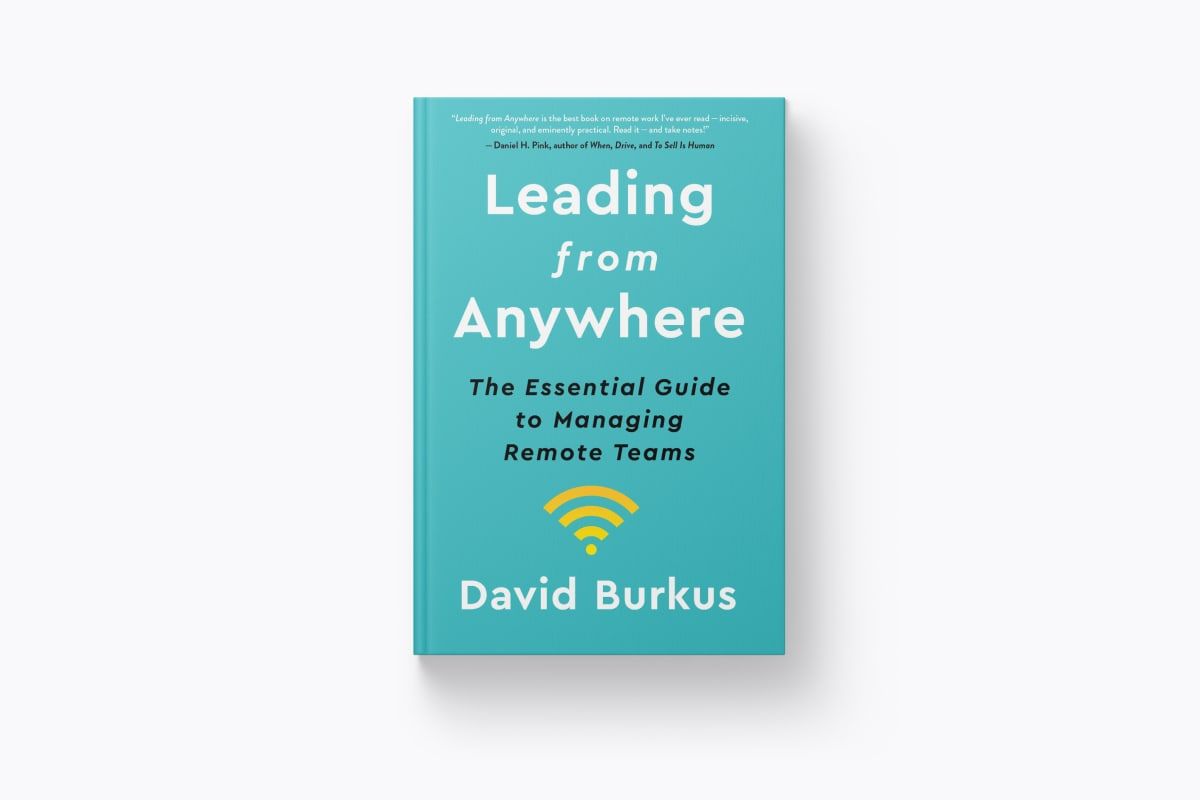
2. Leading from Anywhere by David Burkus
Leading from Anywhere is the strongest pick for managers who are responsible for remote performance, not just remote logistics. It focuses on trust, communication, motivation, and team connection.
Best for: managers, founders, team leads, and people moving from office-first management to distributed leadership.
Read it if you want to:
- Build trust when you cannot rely on hallway visibility.
- Create clearer communication norms.
- Keep remote employees connected without forcing constant meetings.
- Support autonomy while still holding people accountable.
Skip it if you are an individual contributor with no management responsibilities. You may get more immediate value from Remote, Inc., The New Corner Office, or Deep Work.
Buy links: Amazon | Audible | Apple Books

3. Deep Work by Cal Newport
Deep Work is not only a remote work book, but it belongs on any serious work-from-home reading list. Remote work can give you more control over your environment, but it can also expose every weak spot in your focus.
Best for: people whose remote day is fragmented by notifications, meetings, household distractions, and reactive work.
Read it if you want to:
- Protect long blocks for complex work.
- Reduce shallow work that creates motion without progress.
- Build a personal system for concentration.
- Make remote work a productivity advantage instead of a distraction trap.
Skip it if your biggest challenge is team communication, onboarding, or remote management. Start with a remote-specific book first, then come back to this.
Buy links: Amazon | Audible | Apple Books

4. Atomic Habits by James Clear
Remote work rewards people who can create reliable routines without external structure. Atomic Habits gives you a simple way to build those routines one small behavior at a time.
Best for: remote workers who struggle with consistency, context switching, procrastination, or an unclear start and end to the workday.
Read it if you want to:
- Design a better morning startup ritual.
- Create cues that make focused work easier.
- Build a shutdown routine that protects work-life balance.
- Replace vague goals with repeatable systems.
Skip it if you are looking for remote-team policy or manager-specific advice. Pair it with Leading from Anywhere or The Holloway Guide to Remote Work if you are responsible for team systems.
Buy links: Amazon | Audible | Apple Books

5. The Holloway Guide to Remote Work by Katie Wilde and Juan Pablo Buriticá
The Holloway Guide to Remote Work is the best reference-style pick for remote-team systems. It is especially useful when your problem is not one habit, but the way a whole team communicates, documents decisions, hires, onboards, and collaborates.
Best for: managers, founders, people ops leaders, and senior ICs who shape team norms.
Read it if you want to:
- Improve asynchronous communication.
- Clarify documentation and decision-making norms.
- Understand the tradeoffs of distributed-team design.
- Build practices that work beyond one person’s preferences.
Skip it if you want a short motivational read. This is more useful as a reference you return to when a specific remote-work system breaks.
Helpful next step: pair it with Himalayas' guide to asynchronous communication or remote collaboration.

6. Remote: Office Not Required by Jason Fried and David Heinemeier Hansson
Remote: Office Not Required is still worth reading because it makes the case for remote work clearly and forcefully. It is opinionated, compact, and useful when a team needs to stop treating office presence as a proxy for output.
Best for: founders, managers, and employees who want a stronger mental model for remote work.
Read it if you want to:
- Understand why remote work can improve focus and hiring.
- Challenge office-first assumptions.
- Think in terms of results, not seat time.
- Communicate the case for remote work to skeptics.
Skip it if you need a detailed implementation manual. Use it for conviction, then use Holloway, Leading from Anywhere, or Work Together Anywhere for operating detail.
Buy links: Amazon | Audible | Apple Books
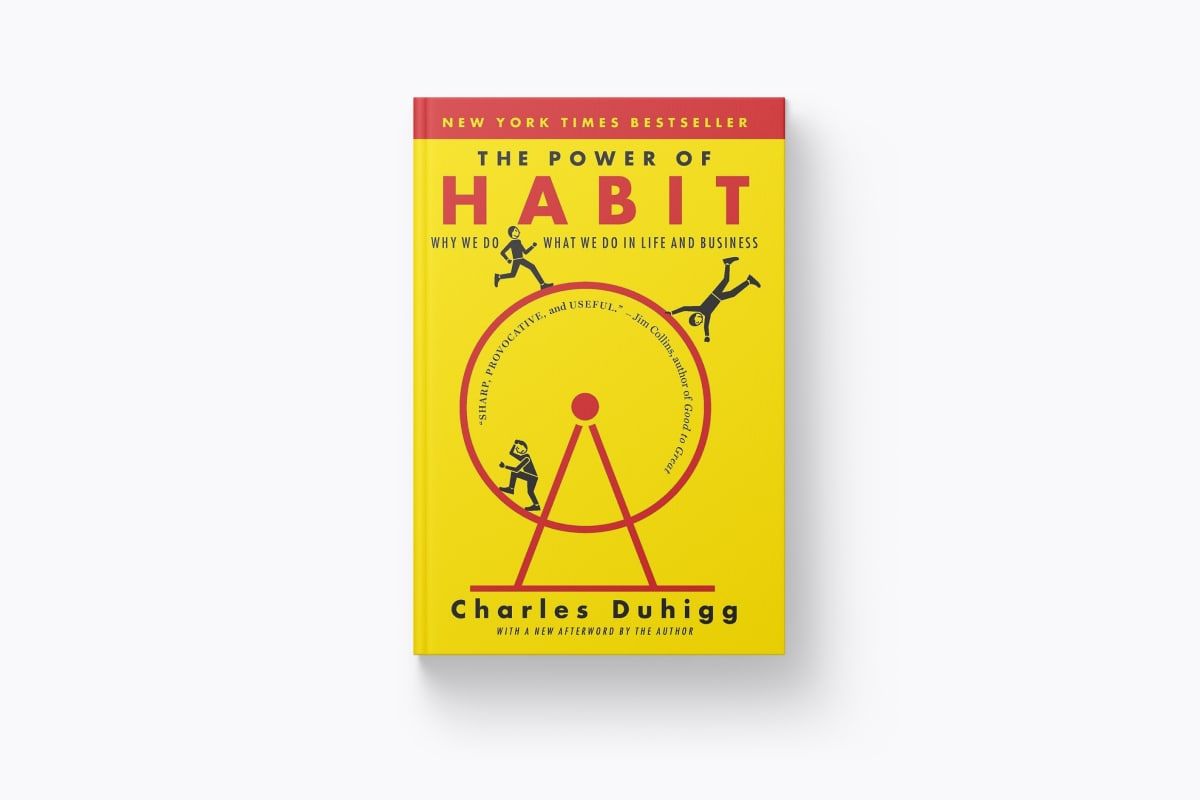
7. The Power of Habit by Charles Duhigg
Working from home often changes the cues that used to shape your day. No commute, fewer office rituals, and more home distractions can make habits visible very quickly.
The Power of Habit helps you understand the cue-routine-reward loops behind your workday. That makes it useful for remote workers who keep repeating patterns they do not actually want.
Best for: people who want to change remote-work routines rather than only add productivity tips.
Read it if you want to:
- Notice why you drift into distraction.
- Replace reactive routines with intentional ones.
- Build better transitions between work and personal time.
- Understand why discipline alone is a weak strategy.
Skip it if you want remote-specific scripts, policies, or management practices.
Buy links: Amazon | Audible | Apple Books
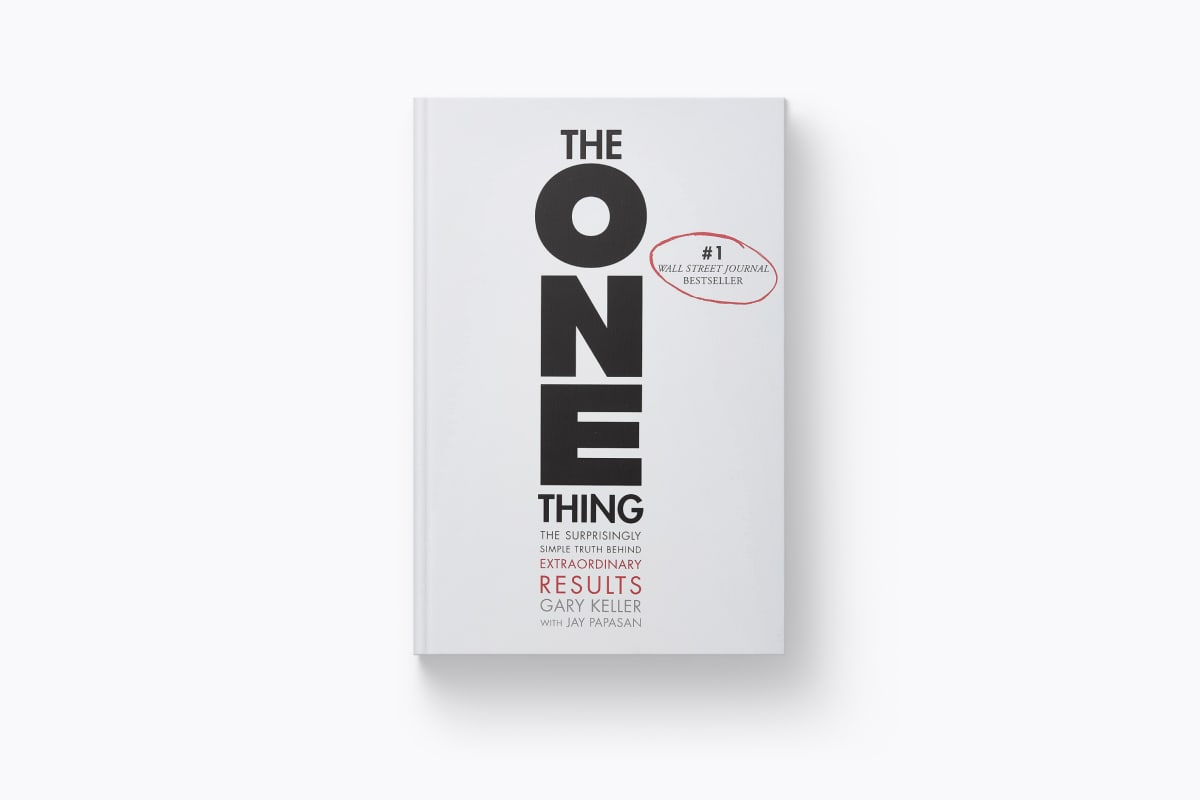
8. The ONE Thing by Gary Keller and Jay Papasan
Remote work can make every request feel equally urgent because everything arrives through the same channels. The ONE Thing gives you a blunt prioritization question that helps cut through that noise.
Best for: remote workers, managers, and founders who feel busy but not effective.
Read it if you want to:
- Identify the work that makes other tasks easier or unnecessary.
- Reduce scattered effort.
- Protect your highest-leverage work.
- Create a weekly focus habit.
Skip it if your real problem is communication clarity or team norms. Prioritization helps, but it cannot replace good remote operating agreements.
Buy links: Amazon | Audible | Apple Books
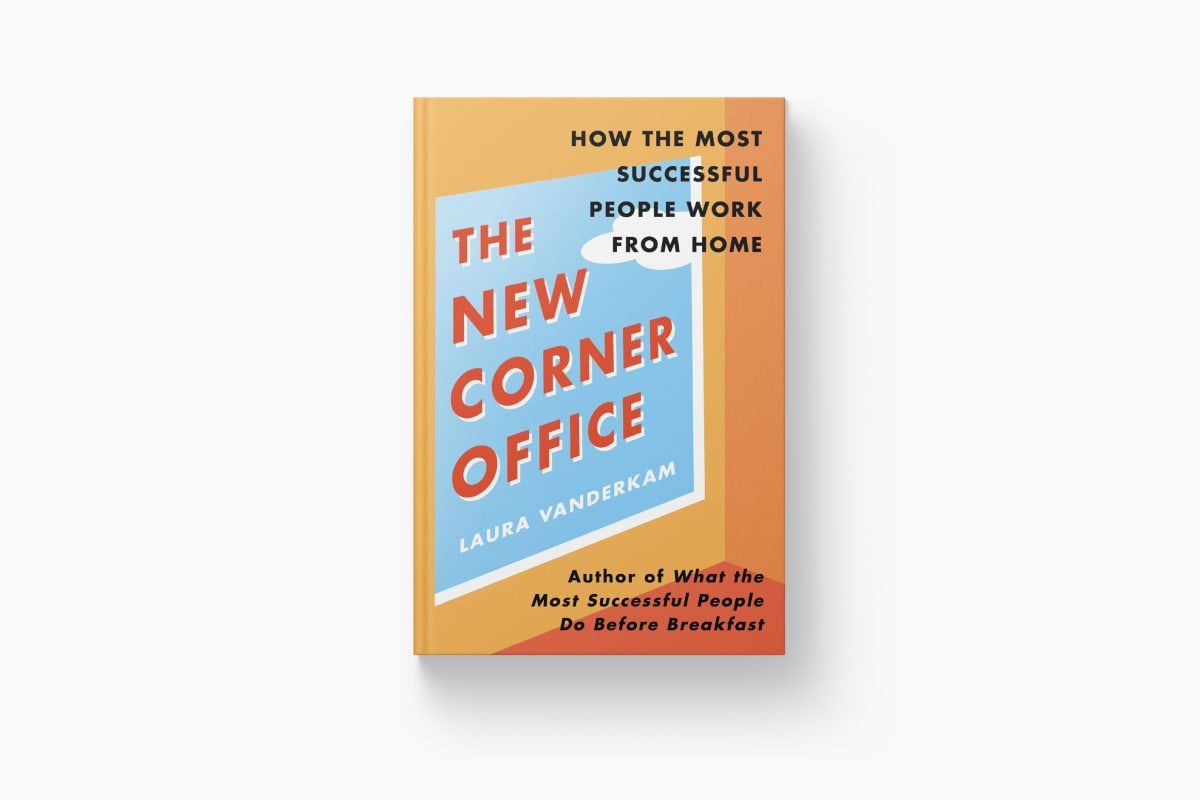
9. The New Corner Office by Laura Vanderkam
The New Corner Office is short, practical, and especially useful for people who need quick structure. It focuses on managing tasks, creating rhythm, and building a workday that fits home life without disappearing into it.
Best for: new remote workers and busy employees who want a practical reset.
Read it if you want to:
- Structure a remote day without over-engineering it.
- Create rituals for focus, breaks, and connection.
- Avoid the feeling that work is always half-open.
- Make remote work feel more sustainable.
Skip it if you need a deep, technical guide to distributed teams. This is a concise personal operating manual, not a company handbook.
Buy links: Amazon | Audible | Apple Books

10. How to Thrive in the Virtual Workplace by Robert Glazer
How to Thrive in the Virtual Workplace is a practical bridge between individual remote-work habits and team leadership. It covers the reality that remote work is both personal and organizational.
Best for: remote employees, managers, and small teams trying to make remote work healthier and more productive.
Read it if you want to:
- Set physical and mental boundaries.
- Improve collaboration and motivation.
- Think about culture without relying on office rituals.
- Build a sustainable remote-work system.
Skip it if you already have a mature remote culture and need a narrow specialist topic, such as security, async documentation, or remote onboarding.
Buy links: Amazon | Audible | Apple Books
More remote work books to consider
The 10 books above are a strong core list. If you already know your specific gap, these specialist titles are worth considering too.
| Book | Best for | Why consider it |
|---|---|---|
| Remote Work Revolution by Tsedal Neeley | Managers and teams | Research-backed remote teamwork, trust, and coordination. |
| Work Together Anywhere by Lisette Sutherland and Kirsten Janene-Nelson | Distributed teams | Practical remote collaboration and team-operating advice. |
| Digital Body Language by Erica Dhawan | Communication | Helps teams interpret tone, trust, and clarity in digital channels. |
| Out of Office by Charlie Warzel and Anne Helen Petersen | Hybrid work and culture | Useful for thinking about the broader promise and tradeoffs of working from home. |
| Running Remote by Liam Martin and Rob Rawson | Remote company builders | Lessons from remote-work operators and company builders. |
| Remote Not Distant by Gustavo Razzetti | Culture design | Helps teams design connection without forcing office habits online. |
| HBR Guide to Remote Work by Harvard Business Review | Quick practical reference | Useful if you want short, business-oriented advice. |
| The Long-Distance Teammate by Kevin Eikenberry and Wayne Turmel | Remote employees | Focuses on staying connected, engaged, and effective from anywhere. |
How to turn a remote work book into better remote-work habits
Reading helps only if it changes how you work. Use a simple 30-day plan instead of trying to absorb ten books at once.
Week 1: choose one problem. Pick focus, boundaries, async communication, manager alignment, remote job search, or team culture. Choose one book that maps to that problem.
Week 2: extract one behavior. Do not make a giant notes file. Pick one action you can repeat for a week, such as a shutdown ritual, weekly priorities note, meeting-free focus block, or async update template.
Week 3: test it in your actual work. Use the behavior with your manager, team, or job search. If it creates less confusion or better output, keep it. If it adds friction, adjust it.
Week 4: document the new norm. Remote work gets easier when useful habits become visible. Write down your focus hours, communication preferences, response expectations, or weekly planning rhythm.
This is also useful when applying for remote jobs. Hiring teams want evidence that you can work with autonomy. A small remote-work system gives you concrete examples for your resume and interviews.
Looking for a remote job?
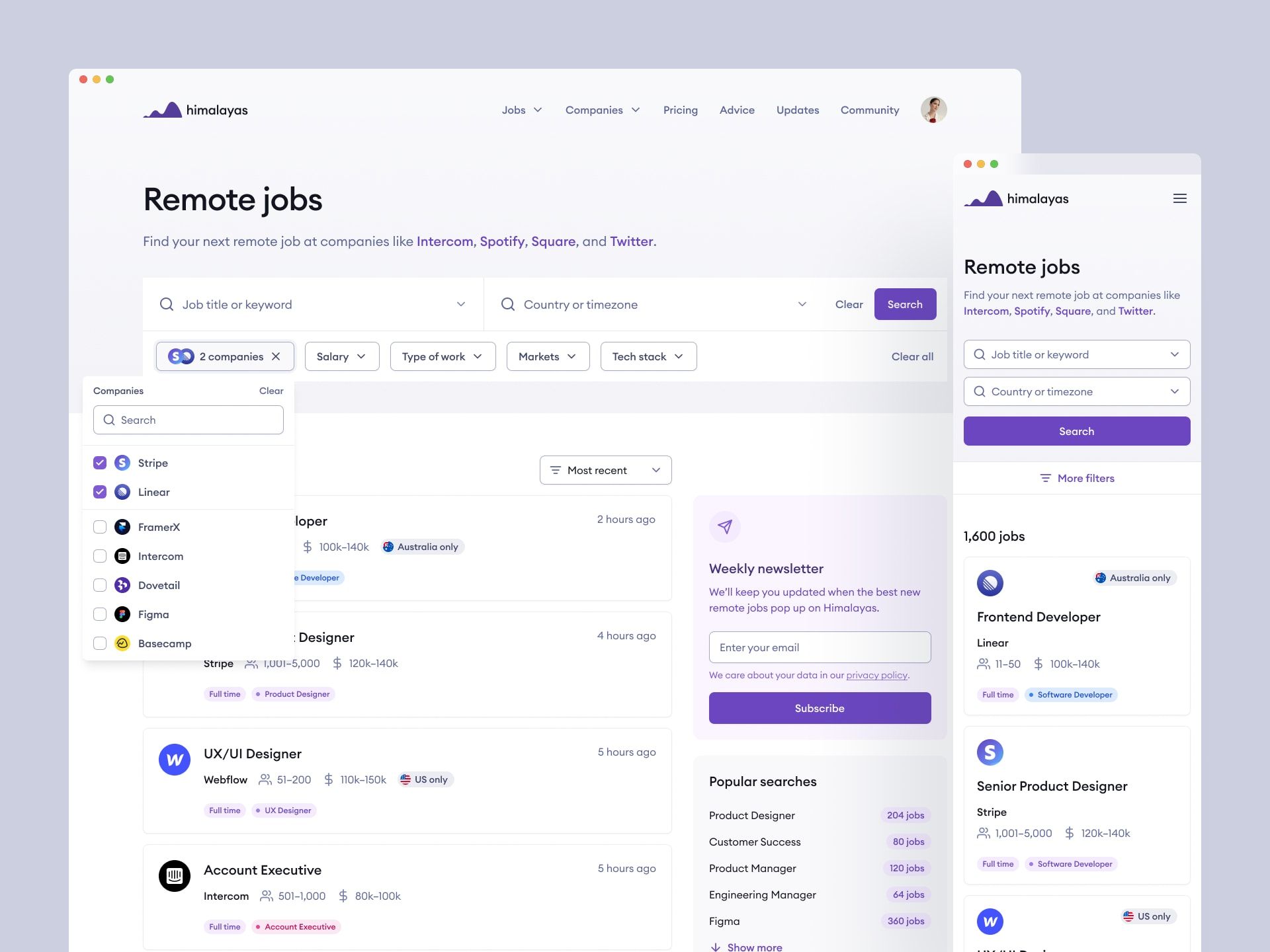
If you are reading remote work books because you want a better remote role, use what you learn as job-search evidence.
Start by browsing remote jobs and saving roles that match how you want to work. Then turn the strongest remote-work skills from your reading into proof on your remote job resume and examples for remote job interview questions.
You can also research remote companies to see how teams describe their working style, time zones, benefits, and hiring expectations. The goal is not just to read about remote work. It is to find a team where your way of working can succeed.
FAQ
What are the best books about working from home?
The best books about working from home are Remote, Inc., The New Corner Office, Deep Work, Atomic Habits, The ONE Thing, and How to Thrive in the Virtual Workplace. Managers should also read Leading from Anywhere and The Holloway Guide to Remote Work.
What remote work book should I read first?
Read Remote, Inc. first if you are an employee learning how to work well remotely. Read Leading from Anywhere first if you manage a remote team. Read Deep Work first if focus is your biggest problem.
Are productivity books useful for remote work?
Yes, if they solve a remote-work problem. Deep Work, Atomic Habits, The Power of Habit, and The ONE Thing are useful because remote workers need focus, routines, prioritization, and boundaries.
Which remote work books are best for managers?
Managers should start with Leading from Anywhere, The Holloway Guide to Remote Work, Remote: Office Not Required, Remote Work Revolution, and Work Together Anywhere.
Which work-from-home books should job seekers read?
Job seekers should read one practical remote-work book and then turn the lesson into job-search evidence. Start with Remote, Inc. or The New Corner Office, then update your resume and interview examples with clear proof of autonomy, communication, and focus.
Are books about making money from home the same as work-from-home books?
No. Work-from-home books help you work effectively from a home office or distributed team. Make-money-from-home books usually cover side hustles, online income, or paid review work, which is a different intent.